 service@preferredplumbing.ca
 7:30 AM – 8:30 PM | Week days


Backwater Valve Installation in St. Catharines and the Niagara Region
Request a call back
Backwater Valve Services for Sewer Backup Prevention
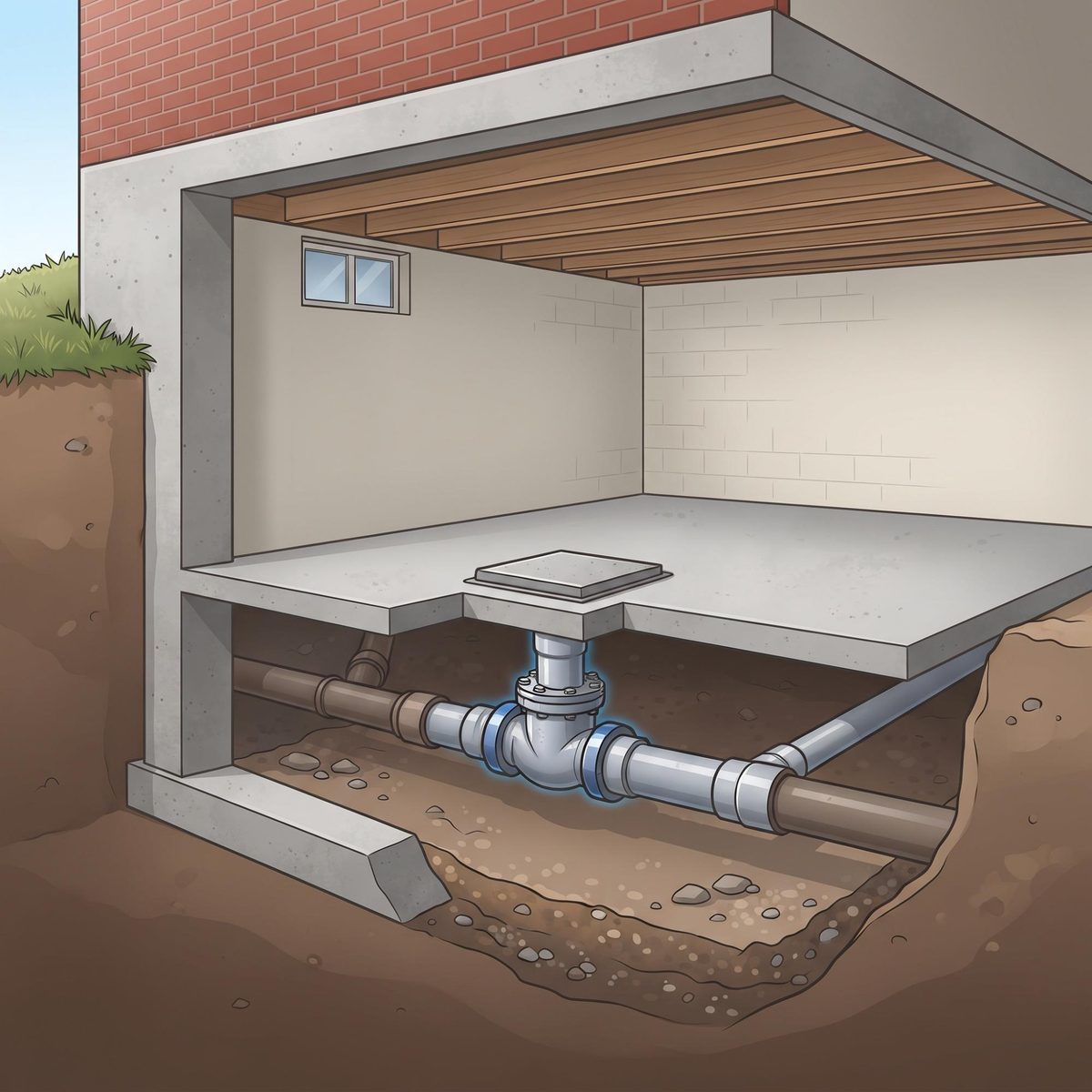
Backwater Valve Installation
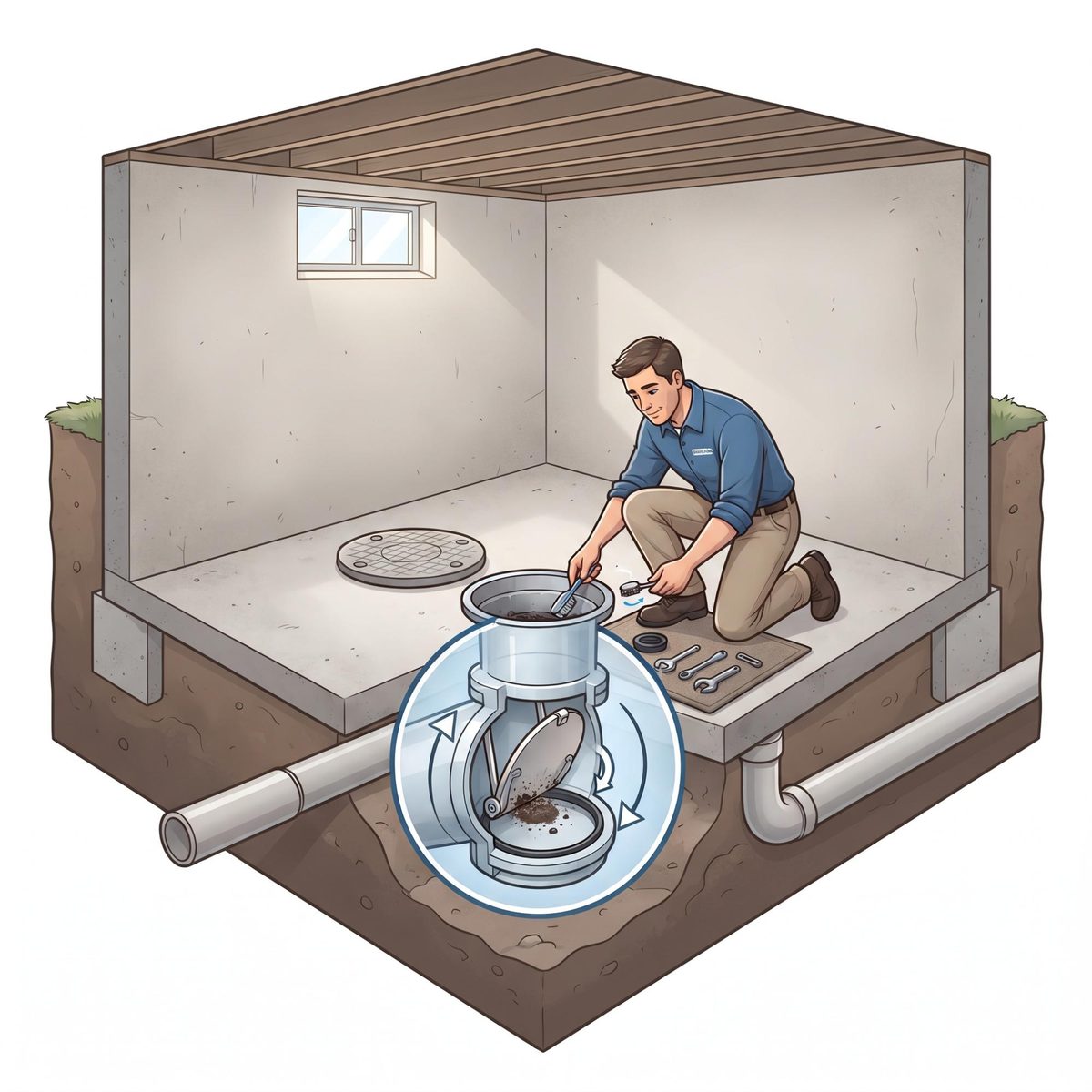
Backwater Valve Repair
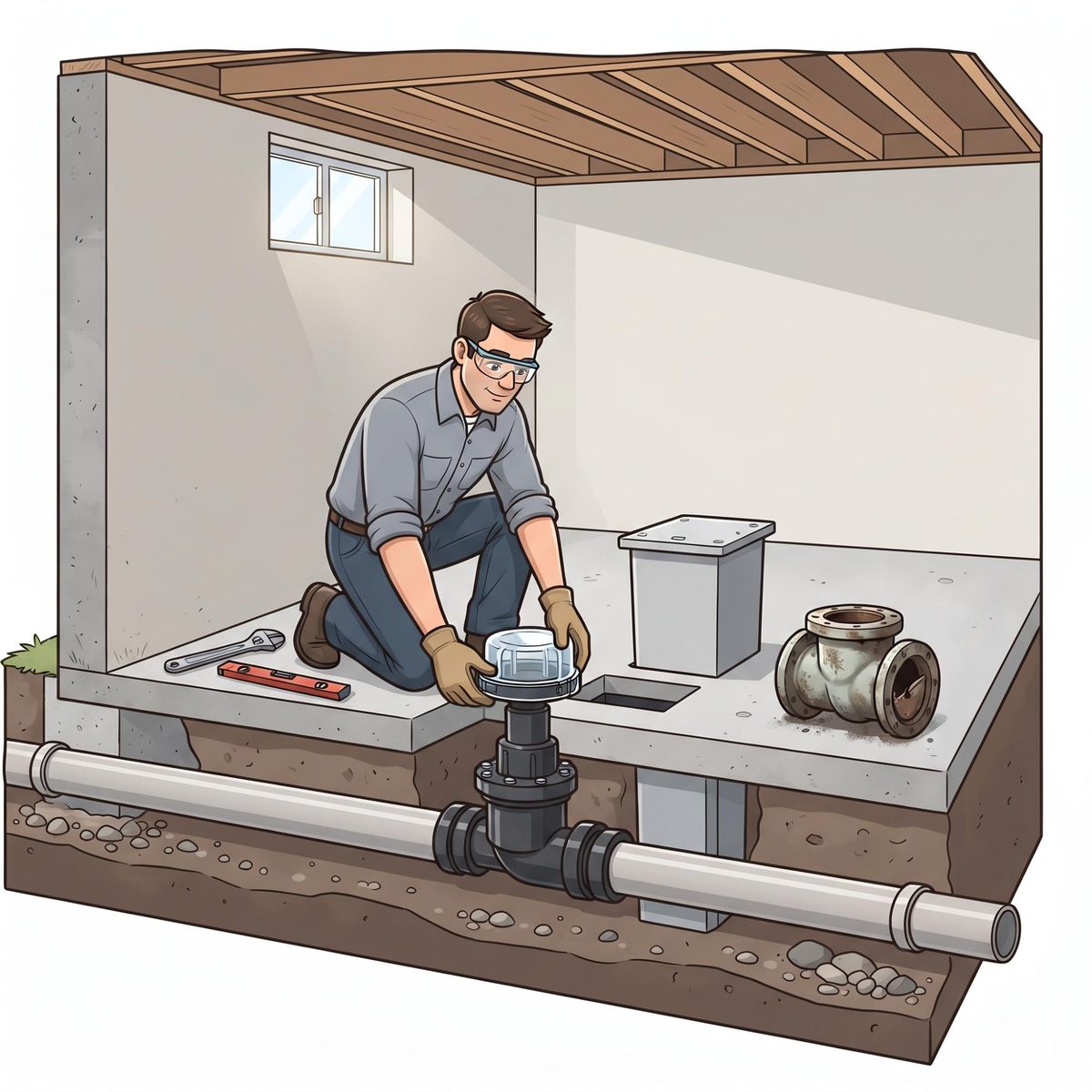
Backwater Valve Replacement
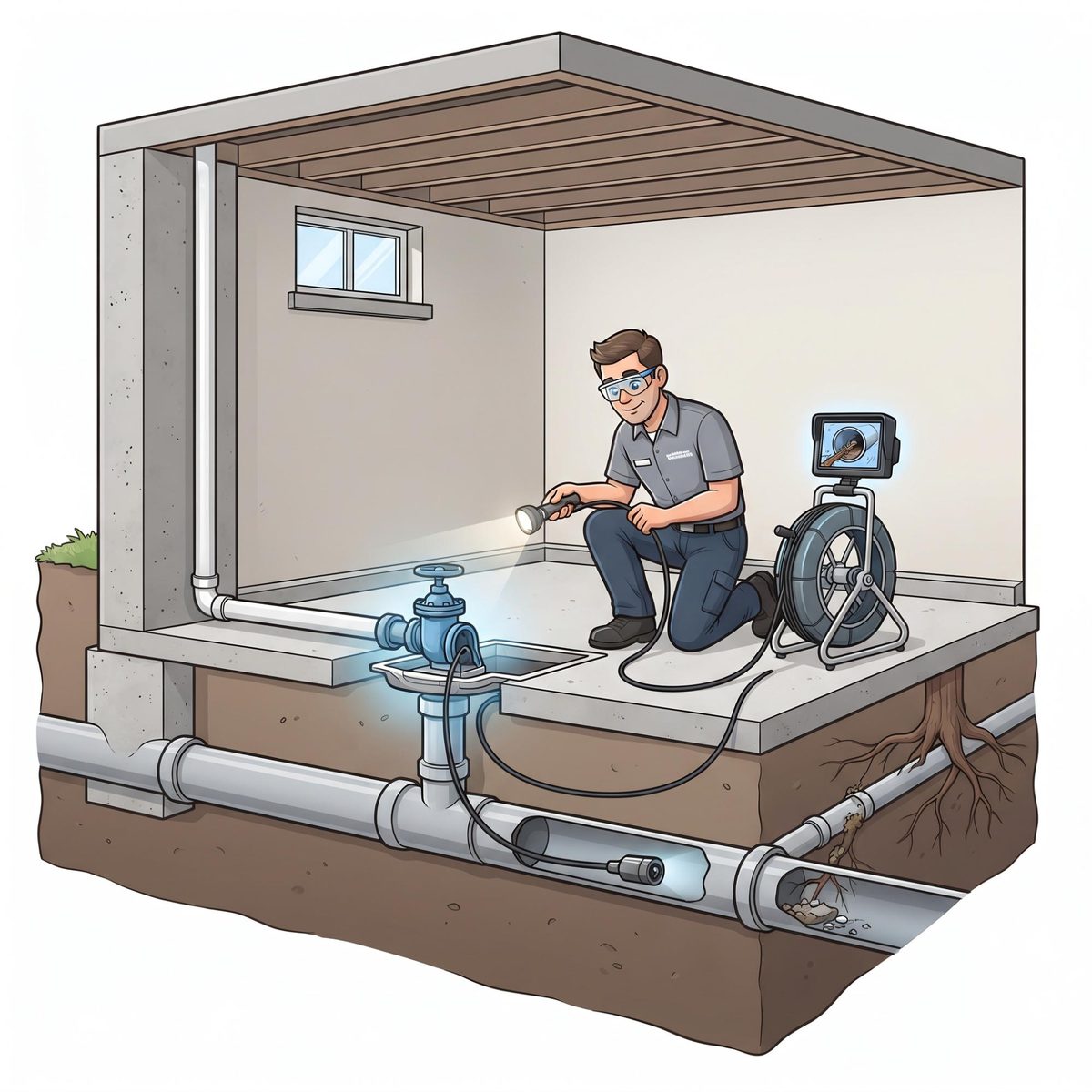
Backwater Valve Inspection
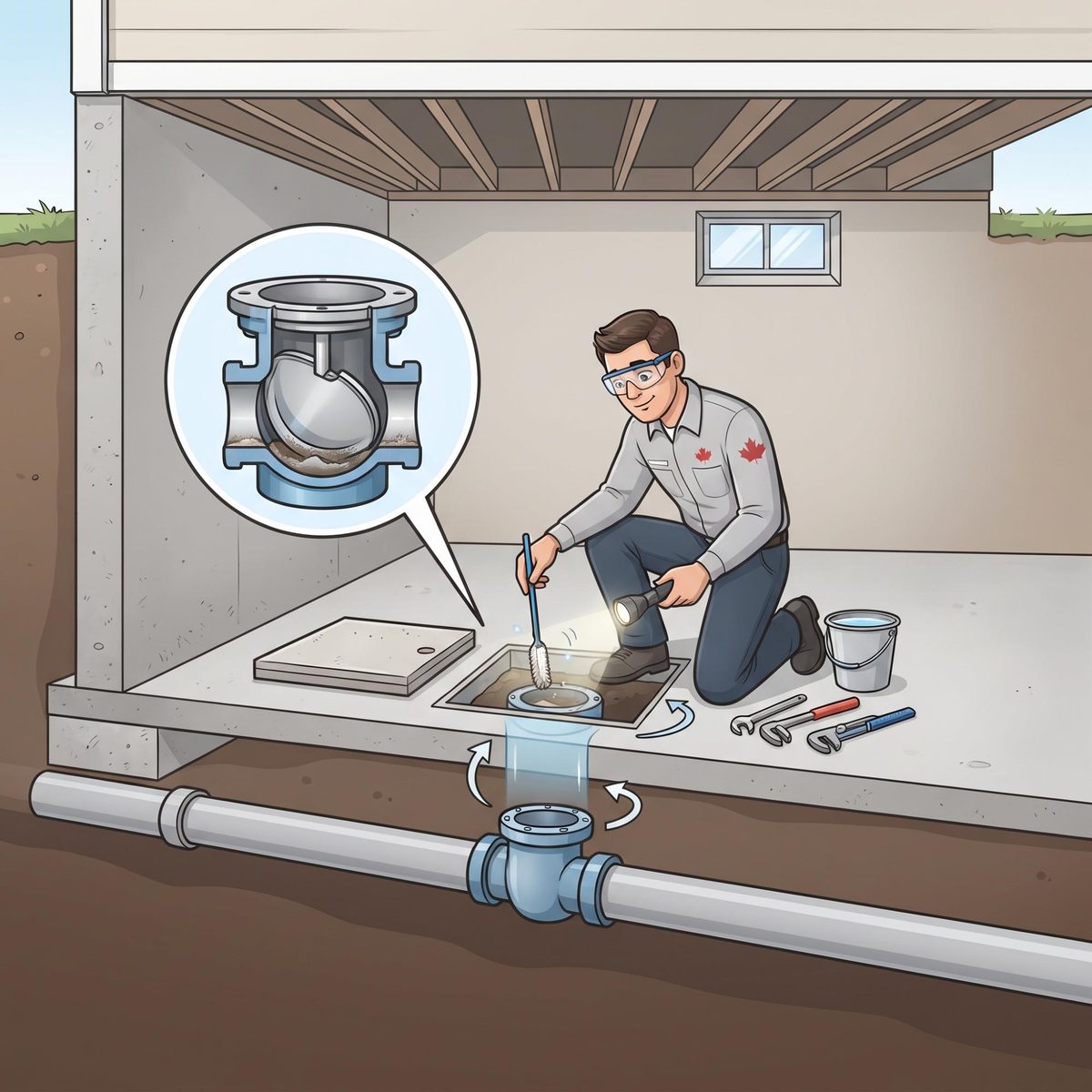
Backwater Valve Maintenance
What Is a Backwater Valve?
- Lets wastewater flow out normally
- Closes when the municipal sewer backs up
- Fix a blocked private lateral
- Stop groundwater entering through the foundation
Signs You May Need a Backwater Valve
- Water or sewage rising from basement floor drains after heavy rain
- Multiple fixtures draining slowly
- Gurgling toilets or floor drains
- Unexplained sewer odours in the basement
- Previous sewer backups nearby
- No backwater valve access cover, particularly in older homes
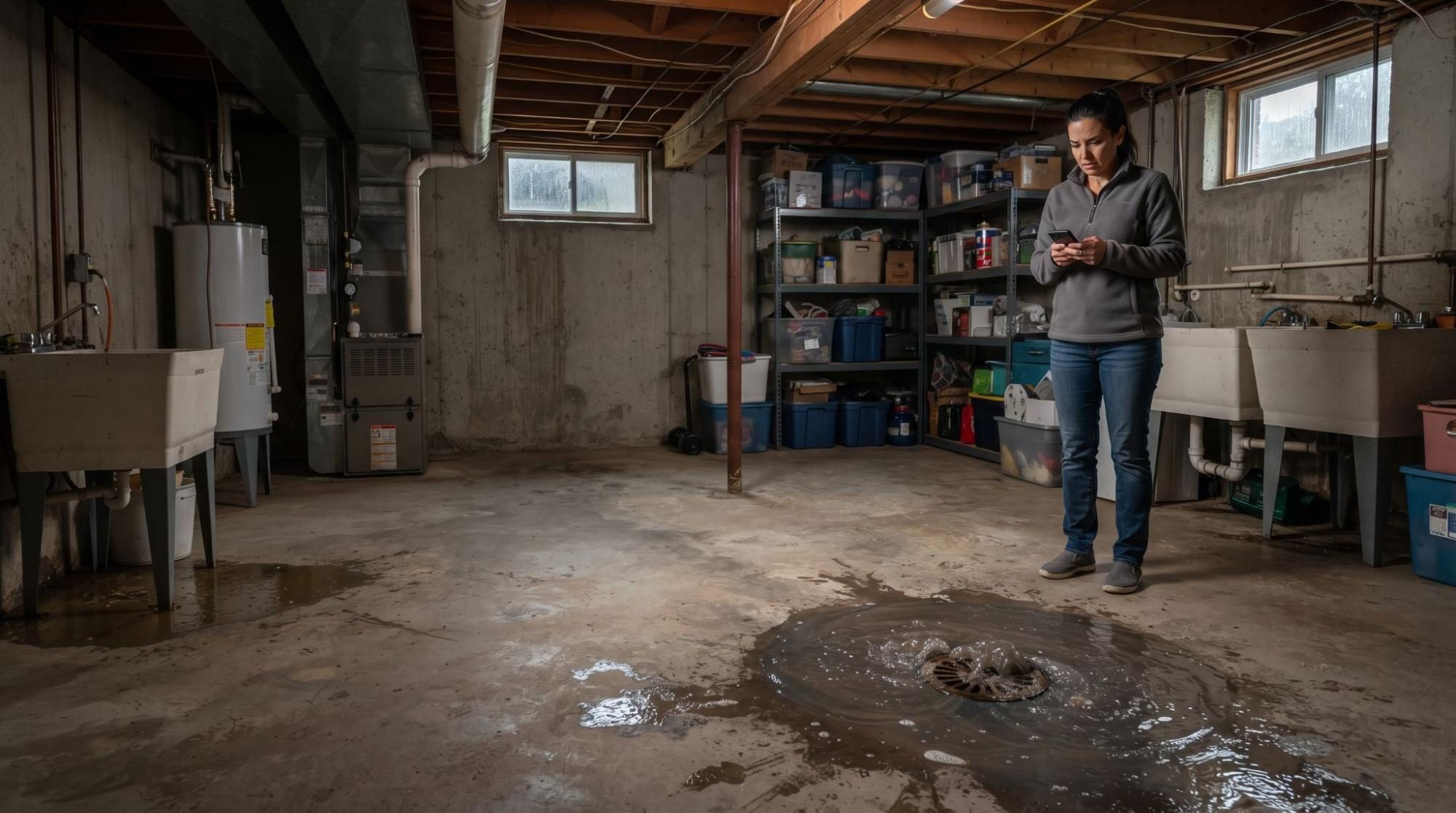
Protecting Niagara Region Basements from Sewer Backups
Our Installation Process
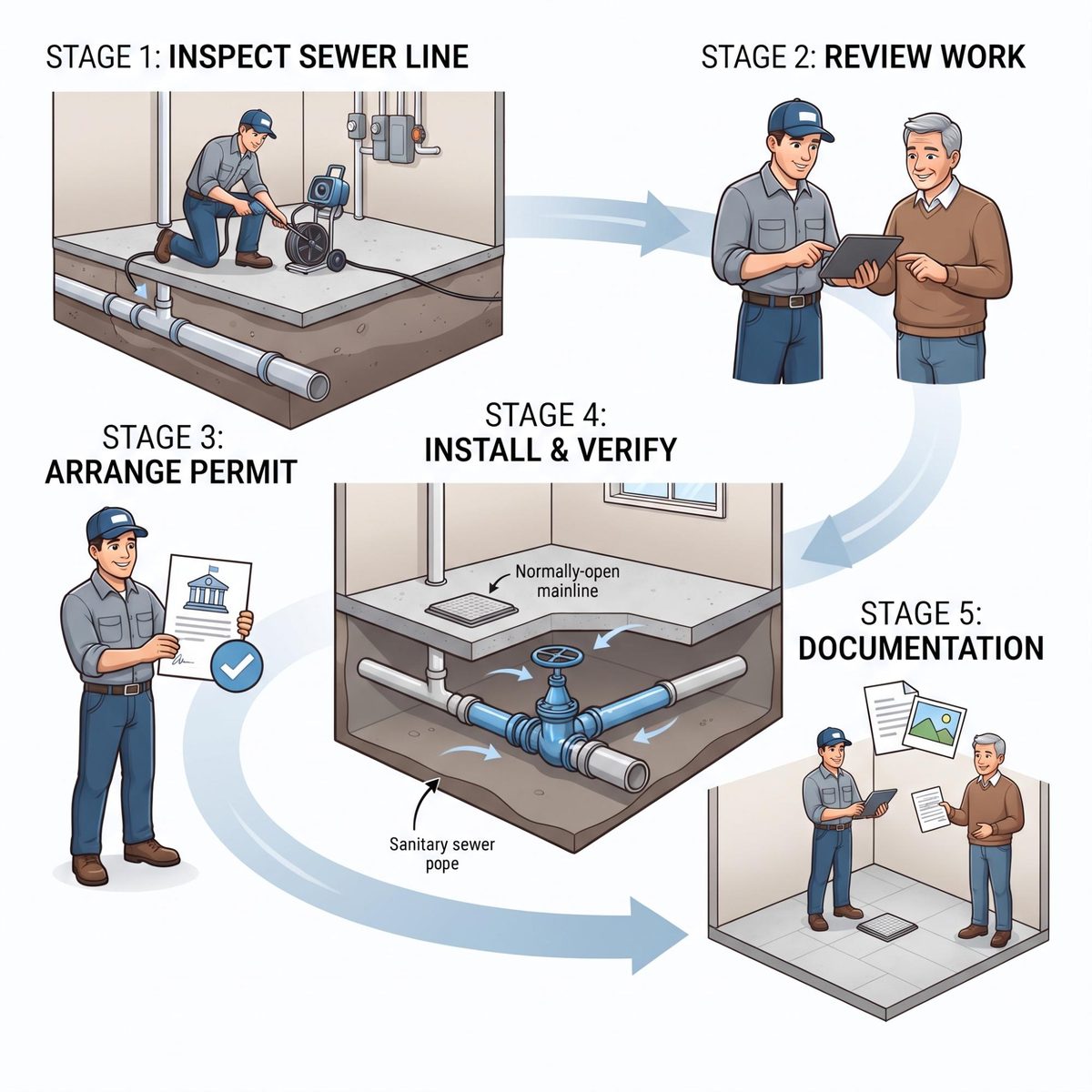
- 1Inspect the sewer line. We locate the line, confirm its size and condition, and determine whether a backwater valve is already installed.
- 2Review the work required. We provide an upfront estimate covering the valve, labour, access, and restoration before any work begins.
- 3Arrange the permit. When City approval and inspection are required, the appropriate permit is obtained before installation.
- 4Install and verify. We install an approved normally open valve and accessible cover, then test proper drainage and reverse-flow protection.
- 5Provide documentation. You receive photos, product details, and applicable paperwork for City inspection or a FLAP application.
How We Protect Your Basement
- Backwater valveCloses to prevent sewage from entering your basement when the municipal sewer backs up.
- Drain habitsKeep grease and wipes out of drains.
- Sump pump testingTest your sump pump before storm season, and book repair if it struggles or cycles oddly.
- Camera inspectionsCamera inspections can identify roots or sewer line clogs early.
Why Choose Preferred Plumbing


- Licensed local plumbersOur team works Niagara Region laterals every week, including clay, cast iron, and newer plastic lines in St. Catharines, Niagara Falls, Thorold, and nearby towns.
- Honest scopeYou hear what the valve will and will not do, including limits during a private-side clog.
- Upfront pricingThe estimate is itemized before we break concrete or cut pipe.
- Rebate-ready workWe install to Ontario Building Code standards and leave the access and documents St. Catharines looks for on FLAP files.
- Full-service follow-throughIf the same visit uncovers a drain, sump pump, or water heater issue, we can address it instead of sending you to another contractor.
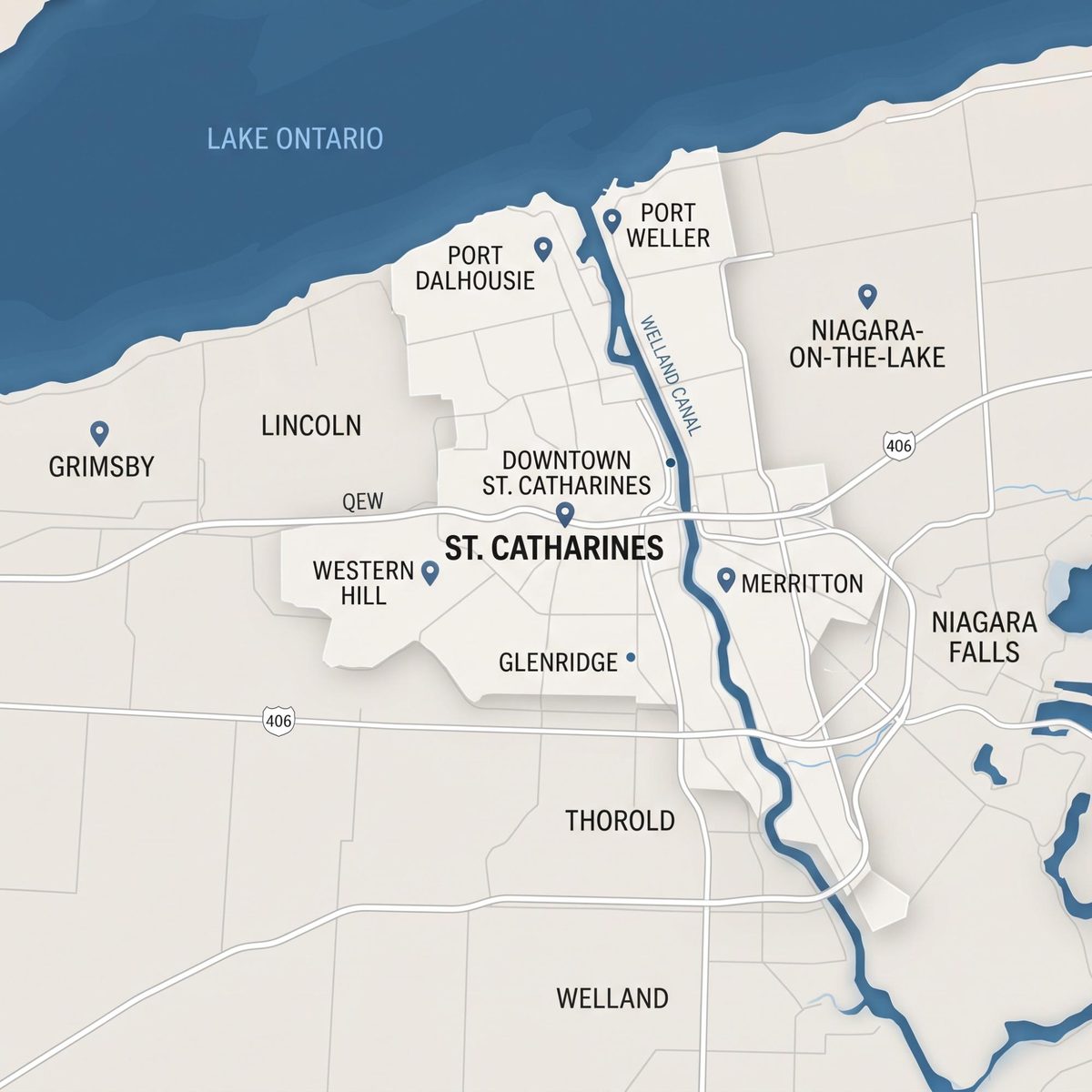
Our Reviews and Service Areas
- Port Dalhousie
- Glenridge
- Niagara Falls
- Port Weller
- Merritton
- Thorold
- Western Hill
- Downtown St. Catharines
- Welland
- Niagara-on-the-Lake
- Lincoln
- Grimsby
- And more
Book Your Backwater Valve Installation Today

Latest in Plumbing News


Frequently Asked Questions About Backwater Valves
Does every St. Catharines or Niagara Region home already have a backwater valve?
No. Many houses built after about 2007 include one, but older properties often do not. Look for a round access cover or clear cap on the basement floor near the sewer line. If you cannot find one, we can confirm during an inspection.
Will a backwater valve stop every kind of basement flooding?
It stops sewage from reversing out of the municipal line into your drains. It will not stop surface water entering through windows, foundation leaks, or a failed sump pump. Those problems need their own fixes.
Can I get help paying for the installation in St. Catharines?
The City of St. Catharines Flood Alleviation Program (including Emergency FLAP) can reimburse eligible homeowners up to 90% of approved costs, to a maximum of $5,000, for a normally open mainline backwater valve and related work on homes built before 2012.
What should I do if sewage is already coming up through a floor drain?
Stop using toilets, showers, and laundry. Do not run a sump that may be tied into the sanitary line until a plumber checks it. Call for sewer backup help and treat the water as contaminated until the source is confirmed.